Our Brain at the World Cup: Why a Goal Feels Like a Personal Victory
Prof. Simon Shamai-Tzuri explains how the World Cup activates our brains, why watching together bonds us emotionally, and the psychology behind schadenfreude.
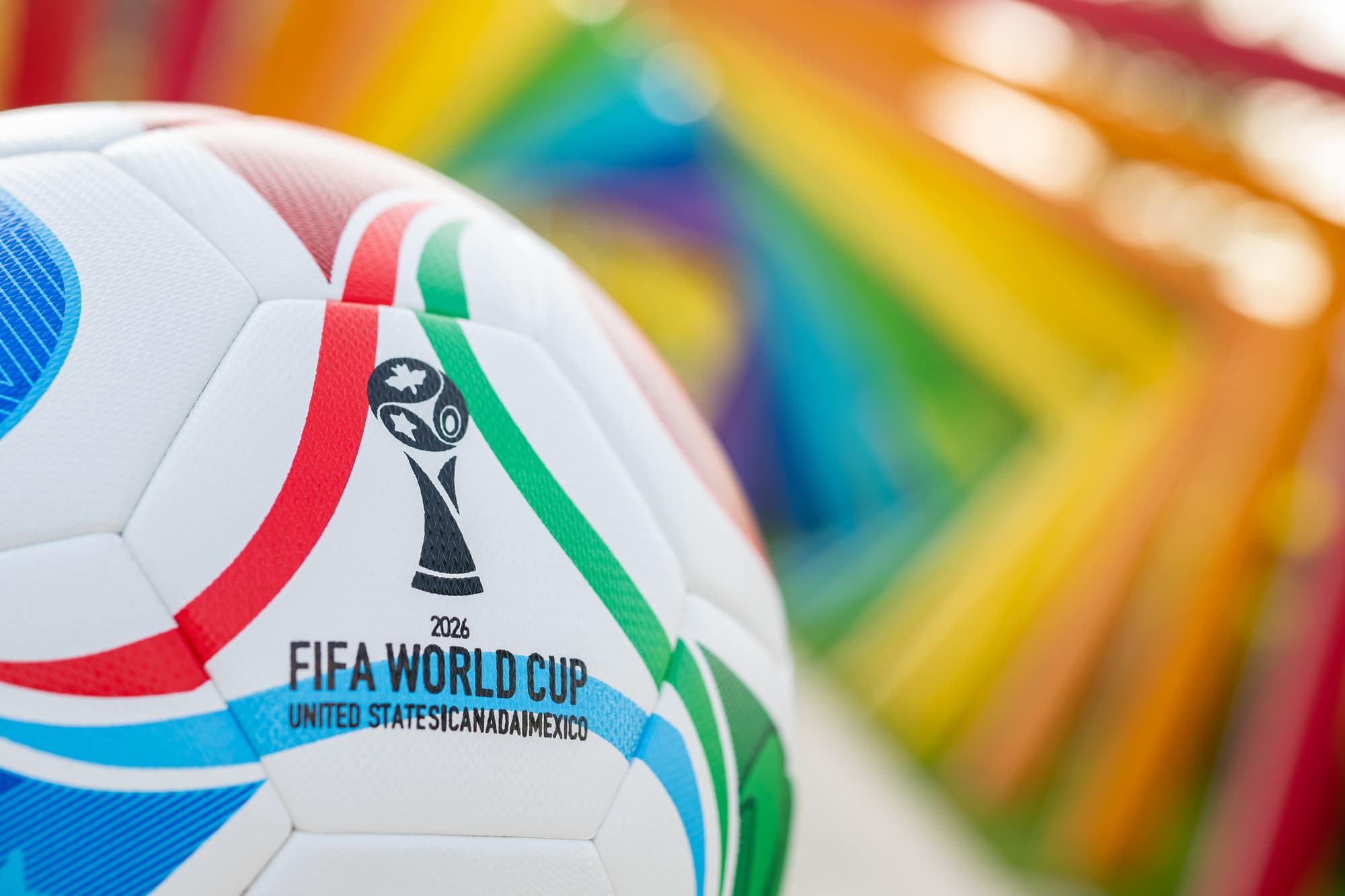
The World Cup as a Powerful Emotional Arena The World Cup is far more than just a football tournament that captivates millions worldwide – it’s an event rich with deep emotional and social significance. Prof. Simon Shamai-Tzuri, head of the Brain and Behavior Center at the University of Haifa, explains how watching the World Cup triggers complex brain responses that connect fans to a strong sense of group belonging. When our national team scores a goal, our brain essentially merges with the team’s success, making the feeling of victory almost personal. The brain releases chemicals like dopamine and oxytocin that amplify joy and the sense of unity.
Why Does Watching Together Connect Us? Watching football matches together—whether in stadium stands or at home with friends and family—creates an extraordinary emotional synchronization among viewers. Prof. Shamai-Tzuri emphasizes that this shared experience sharpens emotions and intensifies excitement. When viewers’ brains flood with hormones linked to happiness and tension, a collective “we” feeling emerges, uniting diverse individuals and expanding the sense of belonging and connection between them. This is why the atmosphere in stadiums and watch parties feels so emotionally charged and unforgettable.
The Social and Psychological Context In a world where feelings of isolation are increasing, the World Cup serves as a social platform that bridges people from different sectors, generations, and even countries. This shared emotional connection strengthens social bonds and allows fans to experience moments of joy, sadness, tension, and even frustration together, enhancing empathy and identification.
Schadenfreude – A Psychological Phenomenon at the World Cup One fascinating psychological phenomenon during the World Cup is “schadenfreude”—the pleasure derived from the rival team’s failure. This is a natural, tribal response ingrained in humans throughout history, where our team’s success is accompanied by a desire to see the opponent lose or suffer. Prof. Shamai-Tzuri explains that the World Cup provides a structured setting where these feelings can be expressed without leading to violence or serious conflicts.
How to Manage Negative Emotions? While schadenfreude is a natural part of competition, it’s important for fans to remember that sport is a tool for unity, not hatred. Thanks to its history and international framework, the World Cup allows competitive emotions to be expressed in a sporting and respectful manner, continuing to promote sportsmanship and mutual respect.
The World Cup – More Than a Game, a Social and Psychological Phenomenon The first tournament took place in 1930, initiated by Jules Rimet, a FIFA official who believed in football’s power to bring rival nations together without violent conflict. Since then, the World Cup has become a global symbol of organized national competition, allowing countries to proudly express their national identity in a positive way.
The Impact on the Human Brain As science advances, we increasingly understand how the World Cup affects brain activity. Watching matches triggers neural responses that strengthen feelings of belonging, stimulate the brain’s reward system, and allow us to experience intense emotions of joy, tension, and even envy within a safe and structured environment.
The Tension and Excitement of the Final Moments Critical moments in the game, like the 90th minute of a World Cup final, create immense emotional pressure. This tension affects both brain and body, releasing stress hormones as well as joy and reward hormones if the team scores. These experiences leave long-lasting memories and deepen our identification with the national team.
In conclusion, the World Cup is much more than a football match. It’s a social and psychological event that connects people, strengthens national belonging, and allows deep emotions to be expressed in a safe and structured space. Scientific understanding of what happens in the brain during World Cup viewing deepens our appreciation for sport’s power to unite, inspire, and create unforgettable human experiences.