Warren Sapp Calls to End Power-Driven Play in Football Over CTE Risks
Warren Sapp speaks out against violent NFL play style linked to chronic brain injuries and urges a shift toward safer, skill-based football.
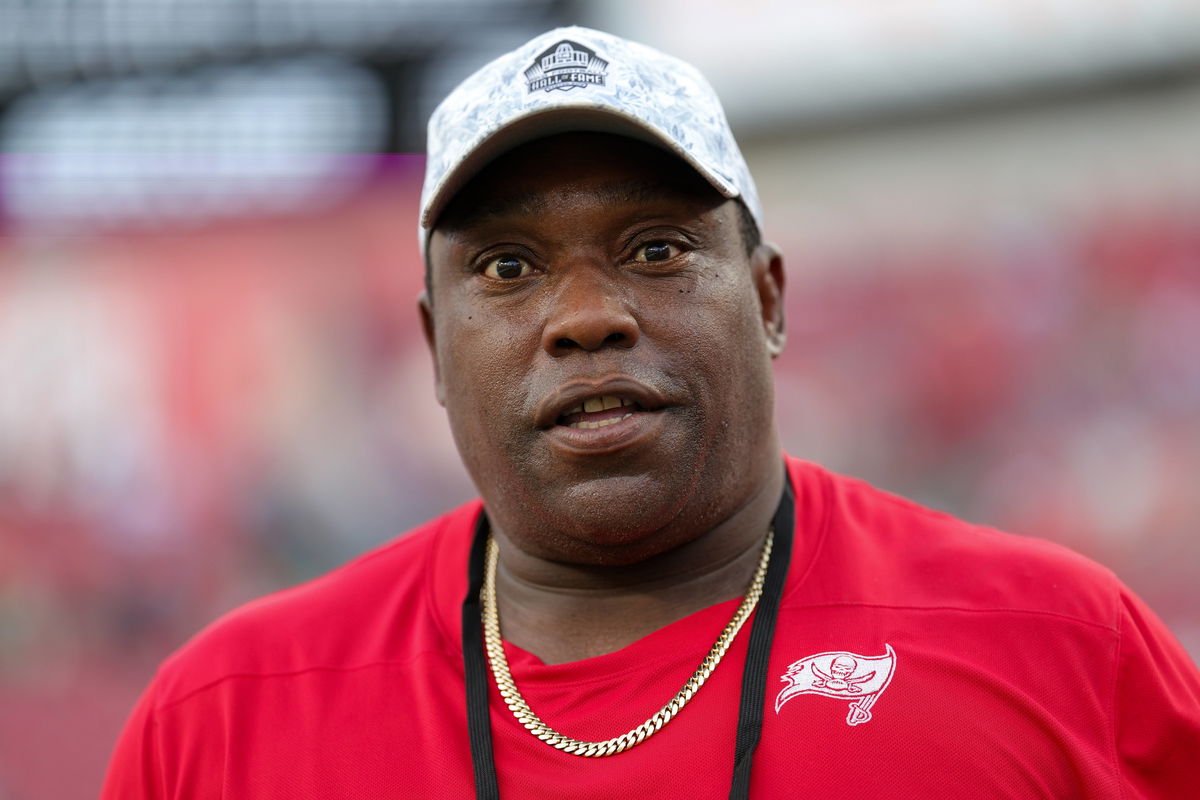
The Hidden Dangers Behind Physical Football American football is known for being tough, intense, and highly physical. However, in recent years, growing research and public awareness have highlighted the serious health risks involved, especially concerning repeated head injuries. One of the most severe conditions is Chronic Traumatic Encephalopathy (CTE), a degenerative brain disease caused by repeated head trauma that leads to severe cognitive, behavioral, and neurological problems. Numerous studies show that NFL players, due to the brutal nature of the game, face a high risk of developing this disease.
In the past, these issues received insufficient attention, and injuries were often concealed or ignored. Today, thanks to in-depth research and media exposure, both the sports community and the general public recognize the urgent need to change training and playing methods to protect players’ health.
Warren Sapp’s Call for Change Warren Sapp, a revered former player and Tampa Bay Buccaneers legend, has taken a leading role in the public discussion about the dangers of extreme physical play. Considered one of the standout players of his generation, Sapp has voiced strong support for research aimed at reducing brain injuries and improving game safety. He emphasizes that the game must undergo a fundamental transformation—shifting toward a style based on technical skill, speed, and strategy rather than brute force and direct collisions.
One prominent example Sapp highlights is the "Oklahoma drill," an old and dangerous training exercise where two players run at each other at full speed and collide head-on. Originating in the 1940s, this drill became a symbol of violent, physical football. However, recognizing the high risk of head injuries, the NFL banned it in 2019.
Collaboration with Researchers and the Player Community Sapp is not acting alone. He works closely with leading researchers, including Dr. McKee, and organizations focused on head injuries and CTE to raise awareness among players, coaches, and league officials. He stresses that sharing scientific knowledge with both current and former players is critical to changing a sports culture that has long valued toughness and brute strength over health protection.
According to Sapp, true toughness is not about enduring endless hits. Real toughness means fighting for a safer, healthier future for all players and generations to come. In this way, Sapp represents a profound cultural shift within the NFL, where veteran players are becoming leaders in changing attitudes toward physical play.
Implications for the Future of the NFL Sapp’s call represents a cultural revolution within the NFL and American football at large. The league, facing increasing criticism from the public and families of former players, is compelled to innovate and implement significant changes in game rules, training methods, and safety protocols.
Today, the NFL invests heavily in research and developing protective technologies, including new helmets, stricter concussion protocols, and limiting dangerous drills. Still, Sapp’s public stature and message reinforce the need for deeper change—one that starts with the league’s culture and a core understanding that player health must come first.
The fight against head injuries and CTE not only saves lives and prevents future suffering but also transforms the nature of the game, allowing it to continue thriving in an era where player health is paramount. Sapp demonstrates that competitiveness, talent, and skill can coexist with safety, and that the future of football lies in a smarter, more conscious style of play.
In summary, Warren Sapp’s call to end the era of power-driven football and transform it into a game of technical skill and strategy is a crucial step toward making American football safer and healthier. The cultural and professional shift already underway can save lives, improve players’ quality of life, and ensure the game remains a beloved sport for many years to come—just on a healthier path.