What Happened After the 1994 MLB Strike and Its Implications for 2027
The 1994 MLB players' strike halted a historic season, with lasting effects as negotiations heat up ahead of 2027.
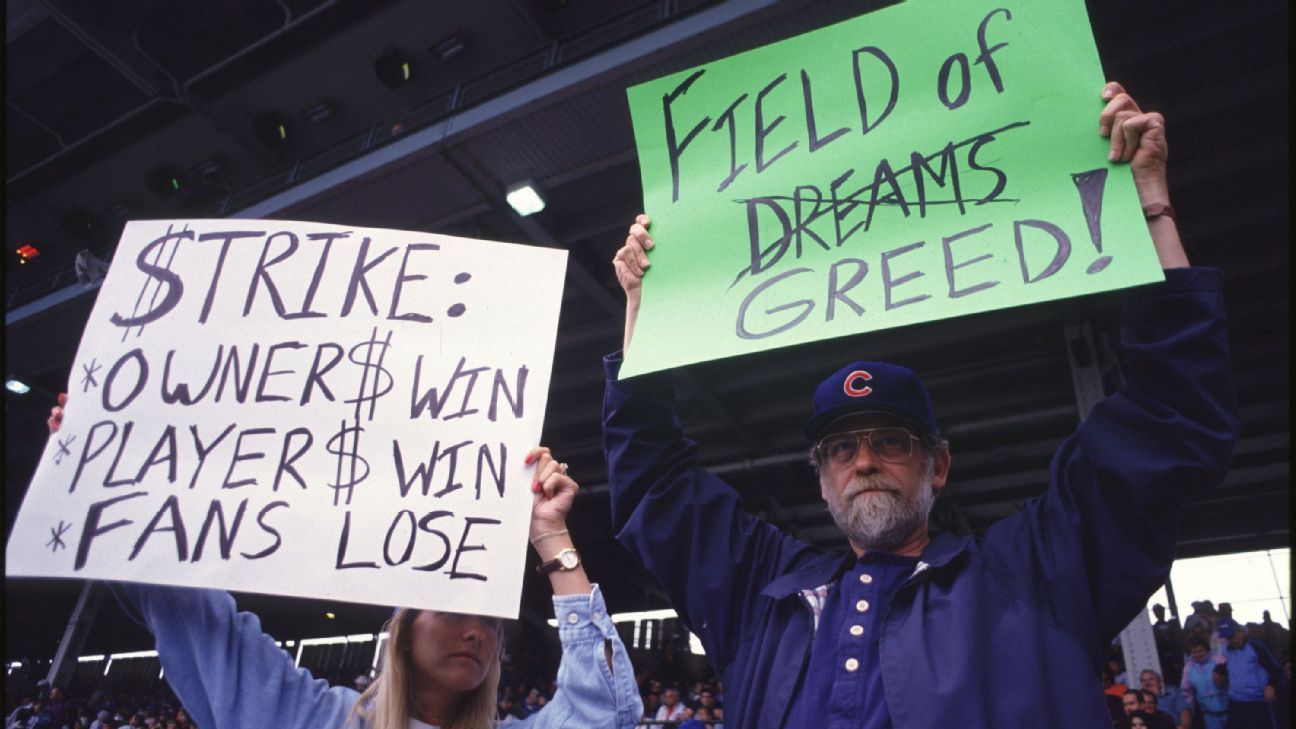
Memories from 1994: A Season on the Brink of History
In 1994, the world of baseball in the United States faced an unprecedented crisis that still resonates deeply with fans today. The MLB season, expected to be one of the most exciting and historic ever, was suddenly stopped midway due to a bitter labor dispute between the players and team owners. For many, this period went far beyond a typical conflict—it was a profound blow to the heart of the game and its community. One well-known story from that time is about a fan who rented an apartment within walking distance of Wrigley Field, home of the Chicago Cubs, and listened to the legendary announcer Harry Caray call the "seventh-inning stretch" as if he were right there in his living room.
The Strike’s Impact on the League and Teams
The strike, which lasted for several months, didn’t just leave fans frustrated—it also severely affected the status and finances of teams and the league as a whole. The Chicago Cubs, who were on the verge of a significant breakthrough, had to end their season in August 1994 and wait until the start of the 1995 season to return to play. The Montreal Expos, one of the teams hit hardest, eventually disappeared from the league in the years that followed. The economic fallout from the strike, combined with the damage to MLB’s reputation, led to the unprecedented cancellation of the World Series that year—a bitter pill for many fans and a deep sense of loss in the baseball world.
The season’s abrupt halt also impacted the next generation of players and future investment plans in the league. The strikes raised tough questions about the relationship between players and owners and highlighted the need for new cooperation models to ensure financial stability and fairness.
What Can We Learn Looking Toward 2027?
Today, as tense negotiations between MLB players and team owners resume, memories of 1994 are resurfacing as a warning sign. With similar stormy disagreements over salaries, working conditions, and player rights, fears of another strike that could halt the season are growing. Without a balanced and creative solution, the scenario of a midseason stoppage could repeat itself, bringing economic, reputational, and social consequences that might be even more severe than in 1994.
Moreover, today’s market is very different—with new technologies, digital broadcasts, and changing audiences. Any delay or strike could also affect relationships with business partners, advertisers, and younger fans who have grown up in a digital world.
Summary
The 1994 MLB strike was a difficult turning point, causing heavy financial losses, damaging fan trust, and triggering significant changes in the league’s structure and labor relations. Now, as the league faces similar challenges ahead of 2027, the lessons from that era are more important than ever. To ensure baseball remains the beloved sport of millions worldwide, responsible, transparent, and innovative negotiations are essential to avoid repeating that historic trauma and to secure a bright future for America’s favorite pastime.