Dave Dombrowski Explains Why Philadelphia Phillies Didn’t Add Starting Pitcher at Deadline
Phillies president Dave Dombrowski reveals why the team chose not to acquire a starting pitcher before the MLB trade deadline.
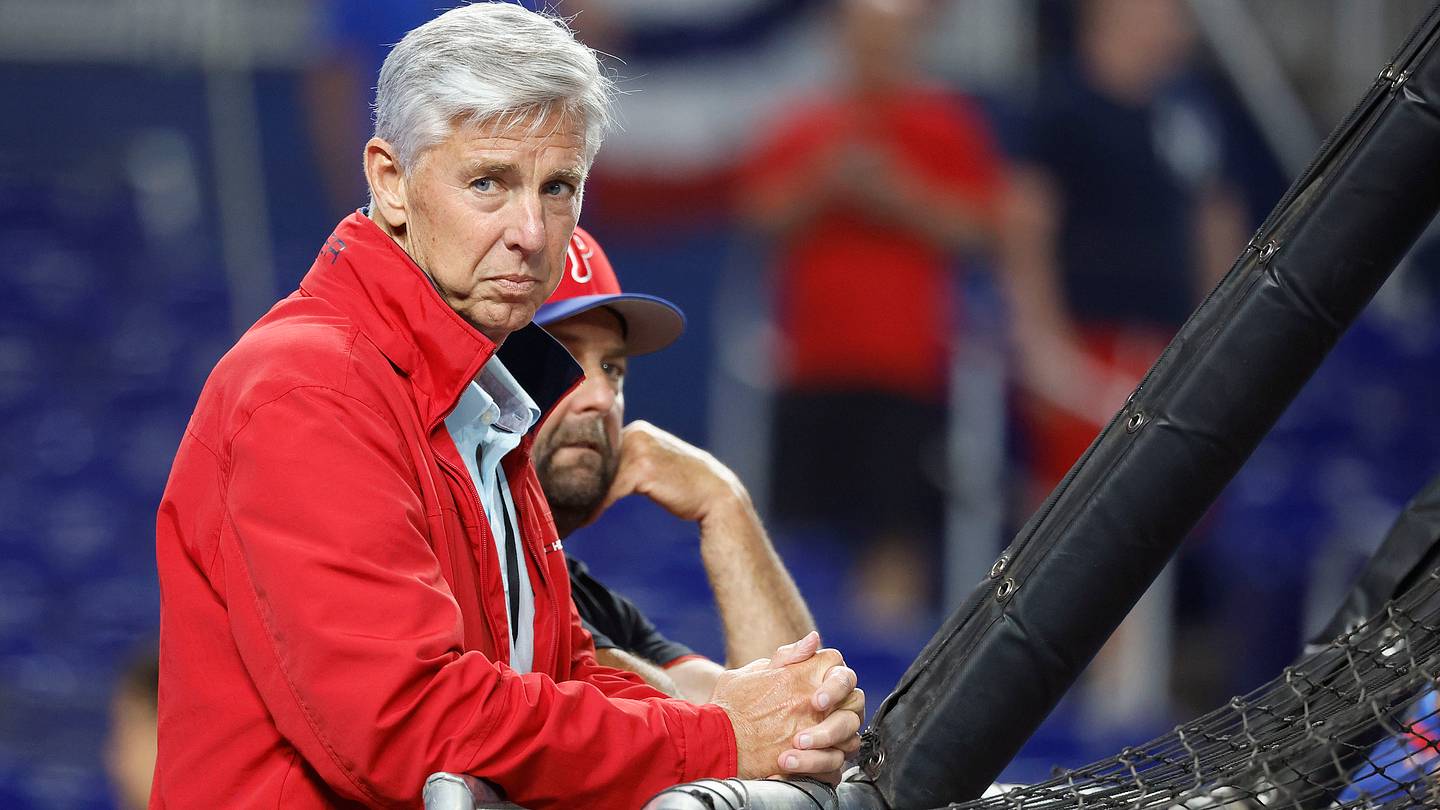
Significant Moves by the Philadelphia Phillies Before the Trade Deadline
The Philadelphia Phillies were among the most active teams in the MLB trade market leading up to the deadline. The club completed four key deals that significantly upgraded the roster, primarily strengthening the bullpen and defense. As part of these trades, the Phillies acquired Luis Arraez, a talented infielder from the San Francisco Giants, and Caleb Killian, a right-handed pitcher who adds depth to the pitching staff. Additionally, left-handed pitcher Brooks Raley was brought in from the New York Mets to bolster the back end of the bullpen.
Beyond that, the trades also involved changes to the minor league system, with lower-level players like Seth Johnson being sent to the Athletics in exchange for Cobie Thomas, and Nolan Hoffman moving to the Kansas City Royals. These moves demonstrate that the team is not only focused on the major league roster but is also actively building depth and diversity throughout the organization.
Why No Starting Pitcher Was Acquired
One of the biggest questions following the deadline was why the Phillies didn’t manage to add a quality starting pitcher despite the clear need. Dave Dombrowski, the team’s President of Baseball Operations, revealed that the main reason was the high market prices. He explained that the Phillies faced steep demands from other clubs, making it difficult to strike a deal that made financial and strategic sense for Philadelphia.
“In some cases, it was both an inability and an unwillingness to meet the asking prices,” Dombrowski said. He emphasized that Philadelphia’s farm system, which includes highly regarded prospects, is considered deep and valuable by other teams, making it tough for the Phillies to part with their best assets.
Comparing the Trade Market and Evaluating the Farm System
In the recent trade market, many teams were willing to give up top prospects to secure experienced and reliable starting pitchers. For example, the Tampa Bay Rays paid a steep price by giving up three of their top twenty prospects to acquire veteran starter Freddy Peralta. Similarly, the San Diego Padres paid a comparable price to land Robbie Ray from the Giants.
In contrast, Philadelphia chose to trade Ramon Marquez, their most valuable trade asset in the farm system, in the deal with San Francisco that brought in Arraez and Killian. However, Dombrowski stated that the Phillies’ farm system is deeper than it appears and highly respected among rivals, which limits the club’s ability to make large trades involving their top prospects.
What This Means for the Team’s Future
The decision not to add a significant starting pitcher at the trade deadline could impact Philadelphia’s chances of securing a playoff spot this season. The starting pitching position is crucial for success in long tournaments, and the lack of a major upgrade may pose challenges against the league’s top teams.
That said, investing in retaining quality young players in the farm system could pay off in the long run. The Phillies are relying on roster depth and prospect development to ensure stability and future growth. The key challenge now is to see how the new and existing players gel on the field and how the team performs against tough competition in the coming months.