Aaron Rodgers Opposes Steelers’ Preseason Games and Criticizes Joint Practices
Aaron Rodgers expresses skepticism about preseason games and joint practices, while Steelers coach Mike McCarthy plans to play him.
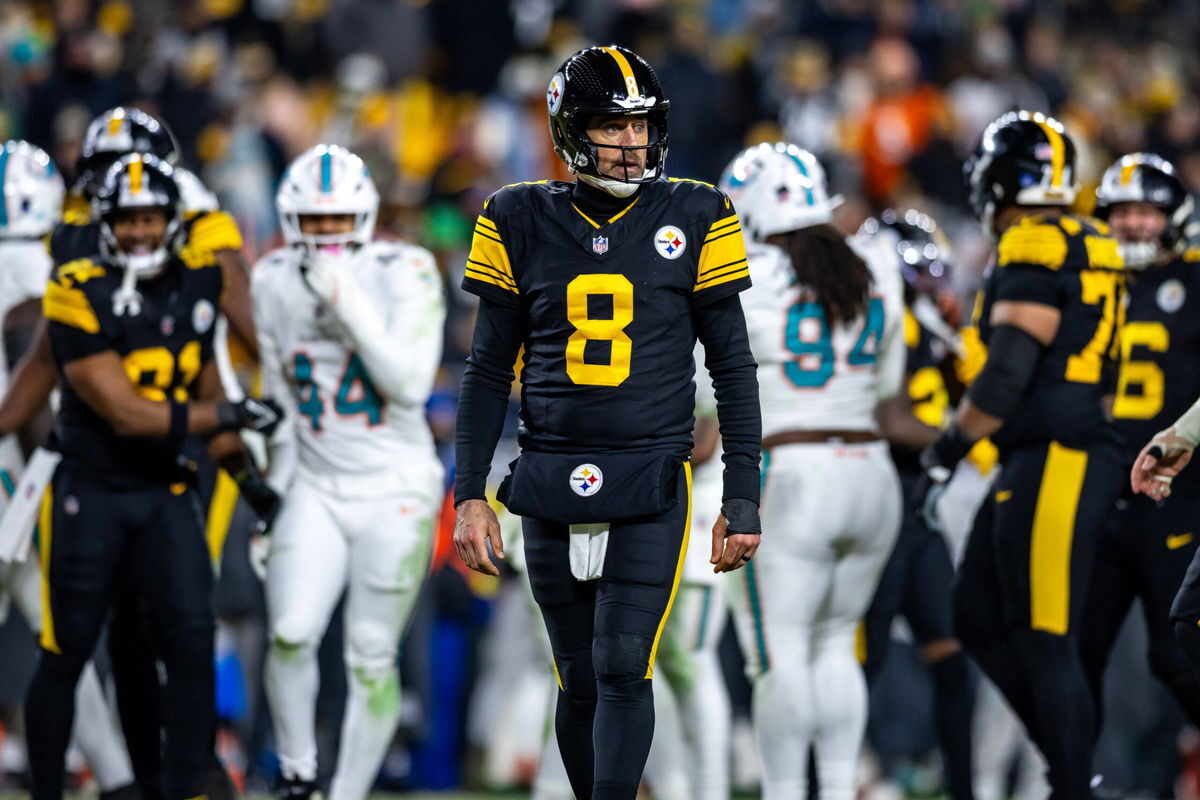
Rodgers and the Preseason Games – A Personal View
Aaron Rodgers, the veteran and highly respected NFL quarterback, continues to express skepticism about the value of preseason games. Recently, in an interview with journalist Michael Silver from The Athletic, Rodgers revealed that Pittsburgh Steelers head coach Mike McCarthy asked him to play in 30 to 40 preseason snaps, including matchups against his former teams—the Green Bay Packers and New York Jets. However, Rodgers did not hide his lack of enthusiasm for the idea, clarifying that he is willing to play only if McCarthy decides so, but personally sees little real value in these games.
At 42 years old and with a long, distinguished career, Rodgers views preseason games less as competitive contests and more as preparation rituals that carry unnecessary injury risks. His perspective reflects a growing trend among veteran players who prefer to avoid excessive exposure before the regular season starts, aiming to maintain peak physical and mental condition throughout the year.
Mike McCarthy and Preseason Plans
Mike McCarthy, the Steelers’ head coach, holds a somewhat different stance. He stated he has "lots of ideas" for the preseason and sees these games as an opportunity to evaluate different players and build the roster for the upcoming season. According to McCarthy, the final decision regarding Rodgers’ participation will be made soon, after reviewing all players and considering all factors—not just one player’s preference.
The Steelers are in a transitional phase, trying to blend young talent with experienced veterans like Rodgers, who was acquired last summer to lead the team toward better results. McCarthy wants to use the preseason to test offensive and defensive schemes and help players get comfortable with new strategies. Still, he acknowledges that these games aren’t structured like regular-season contests, so the risks versus benefits must be carefully weighed.
Criticism of Joint Practices
Beyond the preseason games, Rodgers also addressed joint practices—a phenomenon that has grown in the NFL in recent years. Initially, these sessions were seen as helpful and meaningful, allowing teams to face real opponents and showcase genuine tactics not displayed during regular preseason games. In practice, they were training days that closely simulated the regular season.
Over time, Rodgers notes, joint practices have become less productive and more like events where conflicts and scuffles break out between players, lowering the professional level and the true purpose of the training. He describes the trend as a "waste of time" that strays from the original goal of professional preparation for the season. This viewpoint highlights the challenge of balancing competitiveness with player health and quality preparation.
What This Means for the Pittsburgh Steelers
Rodgers’ stance highlights a common dilemma in the NFL: coaches want to use preseason games and joint practices as preparation and evaluation tools, while veteran players aim to protect themselves from unnecessary risks that could impact their performance during the regular season. For the Steelers, who are trying to rebound after several challenging seasons, managing preparations correctly is especially important.
As a new star on the team, Rodgers wants to avoid injuries and enter the regular season in top shape. McCarthy, meanwhile, wants to see him on the field to evaluate the roster and send positive signals to fans and the media. The final decision will likely be based on medical, professional, and strategic considerations and will influence how the Steelers approach the upcoming season.
Summary
Aaron Rodgers continues to take a cautious, experience-based approach toward preseason games and joint practices, contrasting with coach Mike McCarthy’s plans. This stance reflects the ongoing tension in the NFL between the need for professional preparation and protecting players’ health to ensure they can lead their teams through a long, demanding season. The Pittsburgh Steelers are expected to continue evaluating this issue thoroughly, with decisions in the coming weeks potentially shaping their season’s direction.